

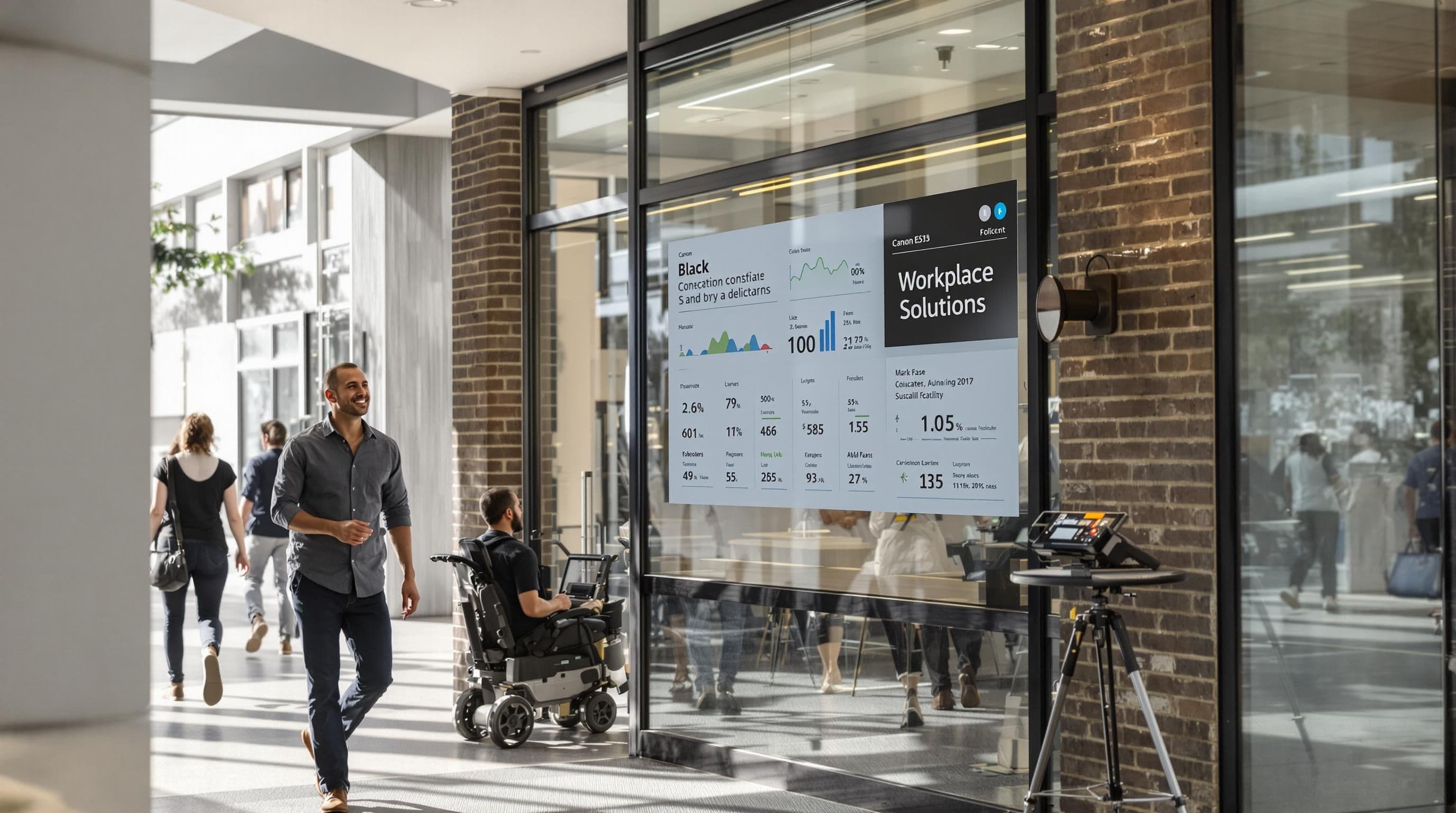
Facility management in Australia is no small job and companies now rely on some of the world’s most advanced tech to run safe and efficient workplaces. You might think this just means janitorial crews and the odd fire drill. Yet, predictive maintenance systems and real-time monitoring technologies have become the norm in over 73 percent of Australian facility management contracts. This shift is not just about clean offices or ticking compliance boxes. It is redefining how businesses cut costs, stay compliant, and gain a serious operational edge.
Quick Summary
| Takeaway | Explanation |
|---|---|
| Comprehensive Facility Management Supports Business Operations | These services optimize infrastructure and enhance organizational efficiency while maintaining a safe work environment. |
| Specialized Services Address Complex Needs | Facility management includes safety, security, and environmental sustainability services tailored to industry requirements. |
| Technology Enhances Efficiency and Transparency | Advanced technologies like predictive maintenance and real-time monitoring improve service delivery and inform strategic decisions. |
| Choosing the Right Partner Is Crucial | Evaluate facility management partners based on their technological capabilities, industry experience, and compliance understanding to ensure compatibility. |
| Professional Management Reduces Risks and Costs | Engaging specialized facility management can minimize operational risks, enhance compliance, and lower maintenance expenses over time. |
What Is Included in Facility Management Services
Facility management services encompass a comprehensive range of professional services designed to support and optimize business infrastructure and operational environments. These services go beyond basic maintenance, providing strategic solutions that ensure organizations can focus on their core business activities while maintaining a safe, efficient, and productive workplace.
Core Components of Facility Management Services
The scope of facility management services is extensive and multifaceted. According to FacilitiesNet, these services typically include critical areas that are essential for organizational functionality and employee well-being.
Building and Infrastructure Management
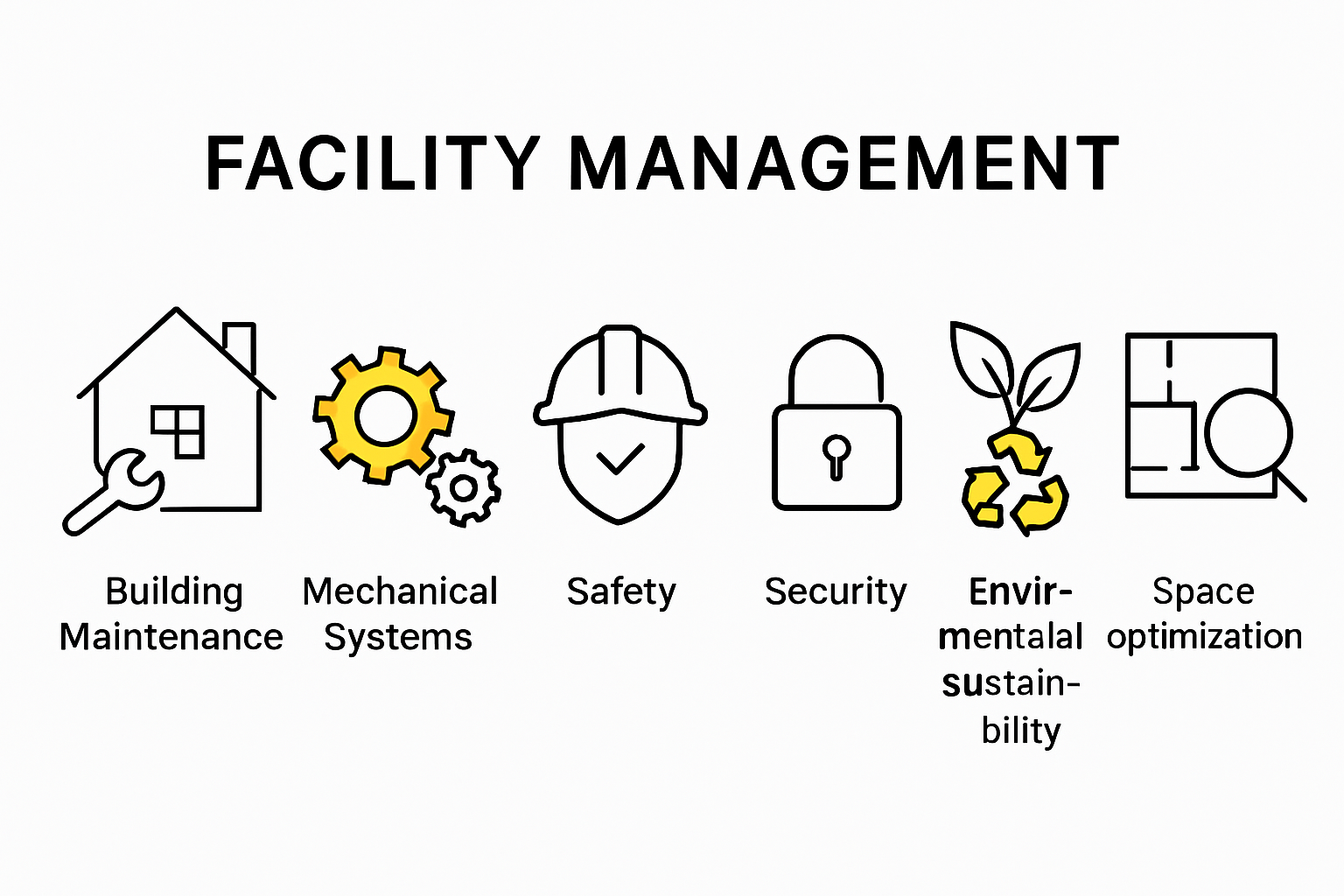
- Maintenance Systems: Comprehensive maintenance of physical structures, including preventive and reactive repair strategies
- Mechanical Systems: Management of HVAC, electrical, and plumbing infrastructure
- Space Optimization: Strategic planning and utilization of workplace layouts and resources
Professional facility management ensures that every aspect of a physical workspace operates seamlessly. This includes routine inspections, timely repairs, and proactive maintenance strategies that prevent potential disruptions and extend the lifespan of building systems.
Specialized Service Domains
Beyond basic maintenance, facility management services incorporate specialized domains that address complex organizational needs. These services are designed to create safe, compliant, and efficient work environments.
Key Specialized Services Include:
- Safety and Compliance: Implementing and maintaining health and safety standards
- Security Management: Developing and executing comprehensive security protocols
- Environmental Sustainability: Creating eco-friendly workplace practices and reducing carbon footprint
The integration of these specialized services demonstrates the strategic value of professional facility management. By addressing multiple operational dimensions simultaneously, businesses can minimize risks, reduce operational costs, and create more productive work environments.
Technology and Innovation in Facility Management
Modern facility management services leverage advanced technologies to enhance service delivery. Digital tools and innovative approaches enable more precise, data-driven management strategies. Real-time monitoring systems, predictive maintenance technologies, and integrated management platforms are transforming how organizations approach facility services.
These technological advancements allow for more accurate asset tracking, predictive maintenance scheduling, and comprehensive performance analytics. By embracing these innovations, businesses can achieve greater operational efficiency and make more informed strategic decisions about their physical infrastructure.
The comprehensive nature of facility management services reflects a holistic approach to organizational infrastructure. From routine maintenance to strategic planning, these services provide businesses with the support necessary to maintain optimal operational environments while focusing on their core competencies.
Facility Management Services List Explained for Australia
In the Australian business landscape, facility management services represent a critical infrastructure support system that ensures organizations operate efficiently, safely, and sustainably. The unique regulatory environment and diverse industrial sectors in Australia demand a comprehensive and adaptable approach to facility management.
Government-Defined Facility Management Standards
Australian facility management services are structured around rigorous government frameworks that set clear performance expectations. According to the Department for Infrastructure and Transport in South Australia, facility management services are categorized into specific asset management levels: Core, Agency Nominated, and Out of Scope. These categories help organizations systematically manage their physical infrastructure.
Key Service Categories Include:
- Building Maintenance: Routine and preventive maintenance of physical structures
- Cleaning Services: Comprehensive sanitization and hygiene management
- Mechanical System Management: HVAC, electrical, and plumbing infrastructure maintenance
The Australian Government’s approach emphasizes performance-based specifications that go beyond basic maintenance. These standards ensure facilities meet stringent safety, operational, and environmental requirements.
Here is a summary table outlining the core, specialized, and technology-driven components of facility management services as discussed in this section:
| Category | Examples/Components | Purpose/Benefit |
|---|---|---|
| Core Services | Building Maintenance, Cleaning Services, Mechanical Systems | Foundational upkeep and functionality |
| Specialized Domains | Safety Compliance, Security, Environmental Sustainability | Address complex, industry-specific needs |
| Technology & Innovation | Real-time Monitoring, Predictive Maintenance, Asset Software | Improve efficiency, compliance, savings |
Specialized Facility Management Service Domains
Facility management in Australia encompasses a wide range of specialized services tailored to specific industry needs. The New South Wales Government’s Facilities Management Contract highlights the importance of comprehensive service frameworks that address multiple operational dimensions.
Specialized Service Domains:
- Safety Compliance Management: Implementing workplace health and safety protocols
- Security Infrastructure: Developing comprehensive security systems and protocols
- Environmental Sustainability: Creating eco-friendly workplace practices
- Space Optimization: Strategic workplace layout and resource management
These specialized services demonstrate the strategic depth of modern facility management. By addressing complex organizational requirements, businesses can minimize operational risks and create more efficient work environments.
Technology and Innovation in Australian Facility Management
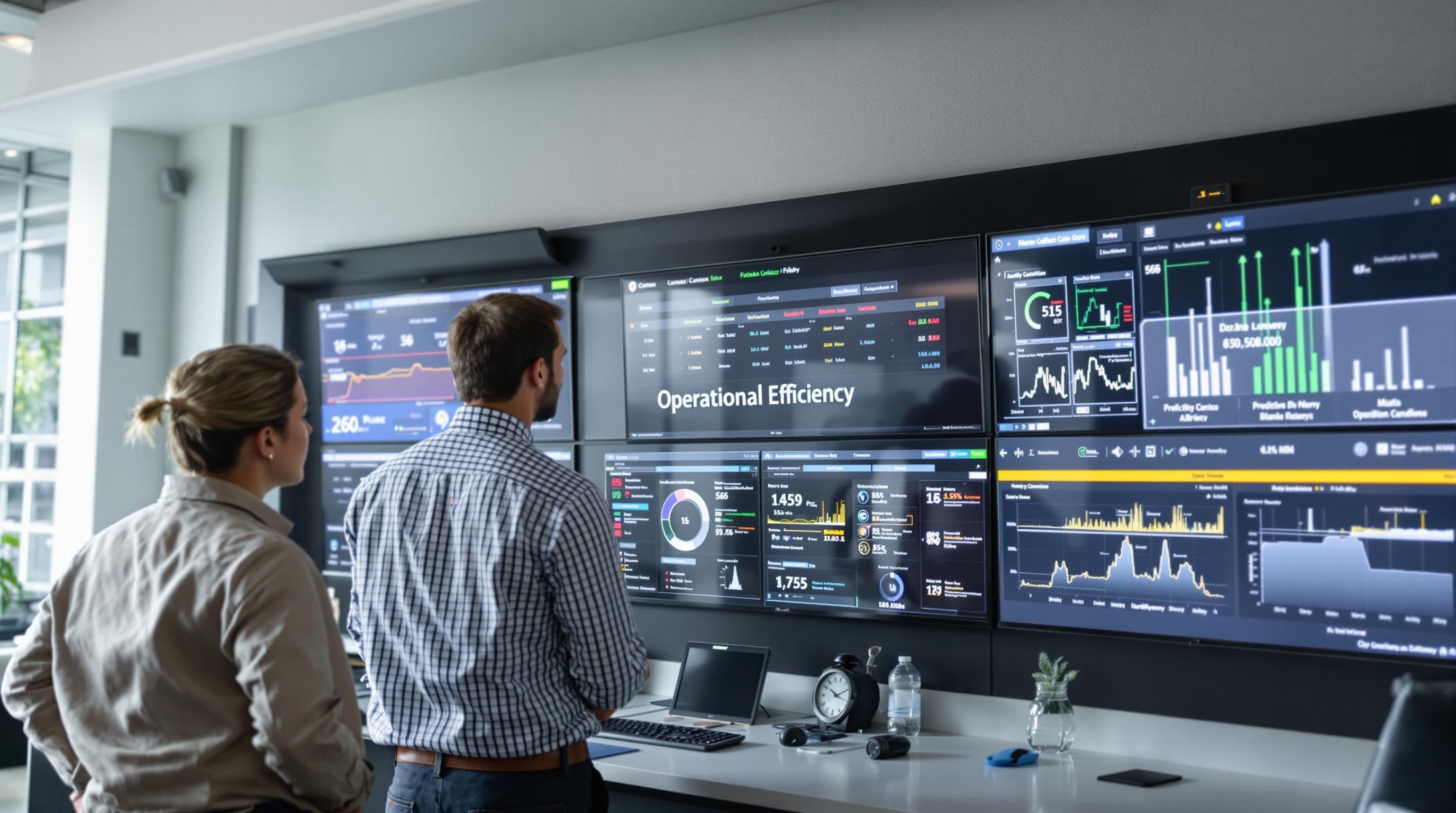
Technology plays a transformative role in Australian facility management services. The Australian Government’s Department of Finance emphasizes the importance of leveraging advanced technologies to improve service efficiency and value.
Innovative technologies enabling advanced facility management include:
- Real-time monitoring systems
- Predictive maintenance platforms
- Integrated asset management software
- Digital compliance tracking tools
These technological solutions enable more precise, data-driven management strategies. By adopting cutting-edge technologies, Australian businesses can achieve greater operational transparency, reduce maintenance costs, and make more informed infrastructure decisions.
The facility management services landscape in Australia continues to evolve, driven by technological innovation, regulatory requirements, and the changing needs of modern workplaces. Organizations that embrace comprehensive, technology-enabled facility management strategies position themselves for enhanced operational efficiency and long-term success.
Choosing the Right Facility Management Partner in Sydney
Selecting the right facility management partner in Sydney requires a strategic approach that goes beyond basic service offerings. The complexity of modern business infrastructure demands a partner who can provide comprehensive, adaptive solutions tailored to specific organizational needs.
Critical Evaluation Criteria for Facility Management Partners
When assessing potential facility management partners, businesses must consider multiple dimensions of service capability. According to Mordor Intelligence, the Australian facility management market is increasingly driven by integrated service models and technological sophistication.
Key Selection Factors:
- Technological Capabilities: Advanced digital management platforms
- Industry Experience: Proven track record in similar business sectors
- Compliance Understanding: Deep knowledge of Australian regulatory standards
- Scalability: Ability to adapt services as business needs evolve
Businesses should conduct thorough due diligence, examining a potential partner’s technological infrastructure, compliance certifications, and demonstrated ability to deliver consistent, high-quality services.
Below is a table summarizing essential criteria to consider when selecting a facility management partner in Sydney:
| Evaluation Criteria | Description | Importance |
|---|---|---|
| Technological Capabilities | Digital platforms and tools for management | Enables modern, efficient service |
| Industry Experience | Past performance in relevant business sectors | Indicates reliability |
| Compliance Understanding | Knowledge of regulation and standards | Ensures legal and safety adherence |
| Scalability | Ability to grow/adapt with business | Supports long-term partnership |
| Communication Protocols | Transparent and clear reporting mechanisms | Facilitates collaboration |
| Preventive Maintenance | Proactive infrastructure management strategy | Reduces downtime and risks |
Strategic Considerations in Partner Selection
The Infrastructure Magazine highlights the importance of comprehensive evaluation beyond surface-level service offerings. Successful facility management partnerships are built on strategic alignment and shared operational objectives.
Strategic Assessment Elements:
- Communication Protocols: Clear, transparent reporting mechanisms
- Preventive Maintenance Approach: Proactive infrastructure management strategy
- Skill Development: Commitment to continuous staff training and expertise
- Technology Integration: Seamless digital workflow and reporting systems
Sydney businesses must look for partners who offer more than transactional services. The ideal facility management partner functions as an extension of the organization’s operational ecosystem.
Future-Focused Partner Selection
According to MRI Software, facility management in 2026 will be characterized by data-driven decision-making and sustainability considerations. Businesses should prioritize partners demonstrating forward-thinking capabilities.
Forward-Looking Selection Priorities:
- Sustainability Practices: Commitment to environmental responsibility
- Data Analytics Capabilities: Advanced performance tracking and optimization
- Energy Management Solutions: Innovative approaches to resource efficiency
- Adaptive Technology Integration: Flexibility in technological implementation
The right facility management partner represents a strategic investment in organizational efficiency. By carefully evaluating potential partners against comprehensive criteria, Sydney businesses can establish partnerships that drive operational excellence and support long-term growth objectives.
Successful facility management partnerships transcend traditional service models. They require a holistic approach that considers technological capability, strategic alignment, and a shared vision for organizational development.
Benefits of Professional Facility Management for Businesses
Professional facility management represents a strategic investment that delivers multifaceted benefits to businesses across various industries. By implementing comprehensive facility management services, organizations can transform their operational infrastructure, reduce risks, and create more efficient workplace environments.
Operational Efficiency and Cost Optimization
According to RFM Group, professional facilities management ensures that all equipment and systems are well-maintained and functioning properly, which directly contributes to reduced operational downtime and improved overall efficiency.
Key Operational Benefits:
- Preventive Maintenance: Systematic approach to equipment care
- Reduced Repair Costs: Early identification of potential issues
- Extended Asset Lifespan: Strategic maintenance of organizational infrastructure
- Streamlined Resource Allocation: Optimized operational spending
Businesses that invest in professional facility management can significantly minimize unexpected equipment failures and reduce long-term maintenance expenses. This proactive approach transforms maintenance from a reactive cost center into a strategic operational advantage.
Regulatory Compliance and Risk Management
Comprehensive facility management plays a critical role in ensuring organizational compliance and mitigating potential legal risks. Genex Organization highlights the importance of professional facility management in maintaining regulatory standards and creating safer workplace environments.
Compliance and Safety Advantages:
- Regular Safety Inspections: Systematic workplace risk assessment
- Documentation Management: Comprehensive compliance tracking
- Legal Risk Mitigation: Proactive implementation of safety protocols
- Employee Protection: Creating secure and compliant work environments
By implementing rigorous facility management practices, businesses can protect themselves from potential legal challenges while simultaneously creating safer, more productive workplace environments.
Strategic Business Performance Enhancement
According to The Knowledge Academy, professional facility management extends beyond basic maintenance to become a strategic tool for business performance enhancement.
Strategic Performance Benefits:
- Improved Workplace Productivity: Optimized physical work environments
- Enhanced Employee Satisfaction: Well-maintained, comfortable workspaces
- Sustainable Operational Practices: Integration of environmental considerations
- Technological Infrastructure Support: Alignment of physical spaces with digital transformation
Modern facility management is not just about maintaining buildings but creating dynamic, responsive environments that support organizational growth and adaptability. By treating facility management as a strategic function, businesses can unlock significant competitive advantages.
The evolving landscape of facility management demonstrates its transformation from a purely operational function to a critical strategic asset. Organizations that recognize and leverage these comprehensive benefits position themselves for improved efficiency, reduced risks, and enhanced overall business performance.
Frequently Asked Questions
What are the core components of facility management services?
Core components of facility management services include building and infrastructure management, mechanical systems maintenance, and space optimization. These services ensure that a workplace operates efficiently and maintains employee well-being.
How do specialized service domains benefit businesses?
Specialized service domains such as safety compliance, security management, and environmental sustainability address complex organizational needs, minimize risks, and create safer, more productive work environments tailored to industry requirements.
What role does technology play in facility management?
Technology enhances facility management by enabling real-time monitoring, predictive maintenance, and data-driven decision-making. These innovations improve service delivery, operational efficiency, and overall transparency in managing facilities.
How can businesses choose the right facility management partner in Sydney?
When selecting a facility management partner in Sydney, businesses should assess their technological capabilities, industry experience, compliance understanding, and scalability. A thorough evaluation ensures that the partner can meet specific organizational needs effectively.
Ready to Transform Your Facility Management in 2026?
Australian businesses are facing an era where predictive maintenance, compliance, and operational savings are critical for success. You have seen how modern facility management goes way beyond routine cleaning. Today, organizations must leverage technology, integrated services, and proactive strategies to stay competitive. But handling all of this internally can drain focus and resources, leaving you worried about spiraling costs or compliance risks.

The good news is you do not have to carry this burden alone. If you want professional facility management with real-time responsiveness and a tailored approach, A1 Group Services is here for you. We offer everything from commercial cleaning to full-spectrum facility management designed around your needs. Visit A1 Group Services to see how our B2B solutions keep your business safe, compliant, and cost-efficient. Make the smart move now to protect your assets and boost your business performance.